Waste separation in Indonesia is a fundamental problem. Most households operate with a single bin, and absolutely everything goes into it together. While plastic recycling facilities do exist, and the infrastructure to sort plastics from general waste is slowly being built, the sheer volume of garbage continues to pile up. Campaigns about the dangers of plastic straws circulates well. Narrative designed to distract consumers from massive industrial pollution.
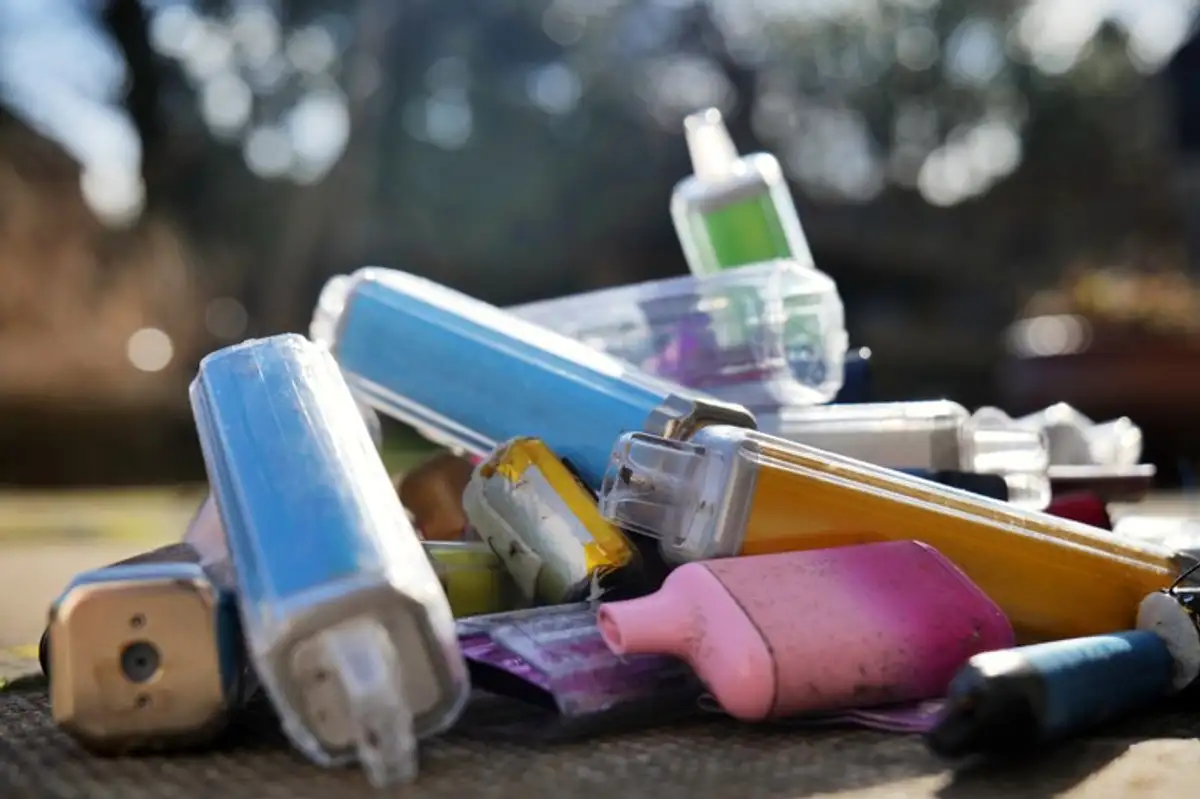
Right into this, the disposable vape entered the mix. It takes a broken system and makes it a thousand times worse. Managing single use plastic is difficult enough. Normalizing the mass production of single use, heavy metal electronics is sheer absurdity.
The Indonesian Irony
The life cycle of a disposable vape is an environmental and economic joke, and Indonesia is the punchline.
Indonesia sits on some of the largest reserves of nickel and other critical minerals in the world. Foreign mining companies operate here aggressively, often under a cloud of corruption and a severe lack of environmental oversight. They leave behind deforested land, degraded soil, and contaminated water.
These extracted minerals are shipped overseas. They are engineered into functioning lithium-ion batteries, wrapped in cheap plastic casing, filled with liquid, boxed, and shipped right back across the ocean to our retail shelves. Consumer buys the device, puffs on it for a few days, and then throws an entirely functional electronic battery into the regular trash.
Once it hits the bin, it becomes a massive hazard. No one collects any data in Indonesia. But for sure we can multiply the results from countries, where they do count the numbers
- The Waste: In the UK alone, despite strict new bans, consumers are still throwing away over 6.3 million vapes every single week.
- The Fires: In 2025, lithium battery fires at waste and recycling facilities caused an estimated $2.5 billion in damages across the United States and Canada, with major operators reporting at least one fire a day directly linked to discarded vapes.
Here in Indonesia, the reality is far less managed. We mine destructive rare minerals at the cost of our own environment, allow them to be manufactured into cheap electronics, and then bury them right back into our soil as highly toxic fire hazards.
The Illusion of the Disposable Ban
Governments attempt to legislate their way out of the problem, but the results are entirely hollow. Europe pushed strict regulations first. New Zealand and Australia followed. Indonesia, as usual, operates a century behind the curve on enforcement.
But the truth is, the bans did not solve anything. The manufacturing industry simply pivoted to exploit a loophole. Market was instantly flooded with cheap pod devices. They cost the exact same low price as a disposable. They contain the exact same cheap lithium battery. The only structural difference is the addition of charging port. Consumers treat them the same. They puff on them until the pod is empty or the coil burns out, and then they throw the entire rechargeable device into the garbage. It is a fake solution to a permanent problem. The environmental damage remains identical.
Awakening the Consumer
Legislation will not fix this. If the government cannot enforce basic plastic sorting, they will not be able to manage a lithium-ion waste crisis. The responsibility falls entirely on the vape community.
Indonesian consumers simply lack awareness. If basic recycling is an alien concept, the danger of throwing a lithium battery into a landfill is completely off radar. The convenience of the disposable device has blinded the market to its consequences.
Vape community, Brewers, shop owners, veteran vapers, vape influencers, must bring the consumer into consciousness.
It must become socially unacceptable to treat electronic waste like a candy wrapper. Vaping culture was built on reusable hardware, where consumer is in control. It is time to aggressively remind the market of that fact, because an industry built on single-use electronic garbage has no future.