
Popcorn Lung and Vaping: What the Science Actually Says

Petr

Popcorn Lung and Vaping: What Indonesian Producers Need to Know

Few health claims in the vaping world get repeated as often as this one: vaping causes popcorn lung. It shows up in news headlines, health warnings, and social media posts with remarkable confidence. The reality, as with most things in science, is considerably more nuanced and understanding that nuance is essential for anyone producing or formulating e-liquids responsibly.

What Is Popcorn Lung?

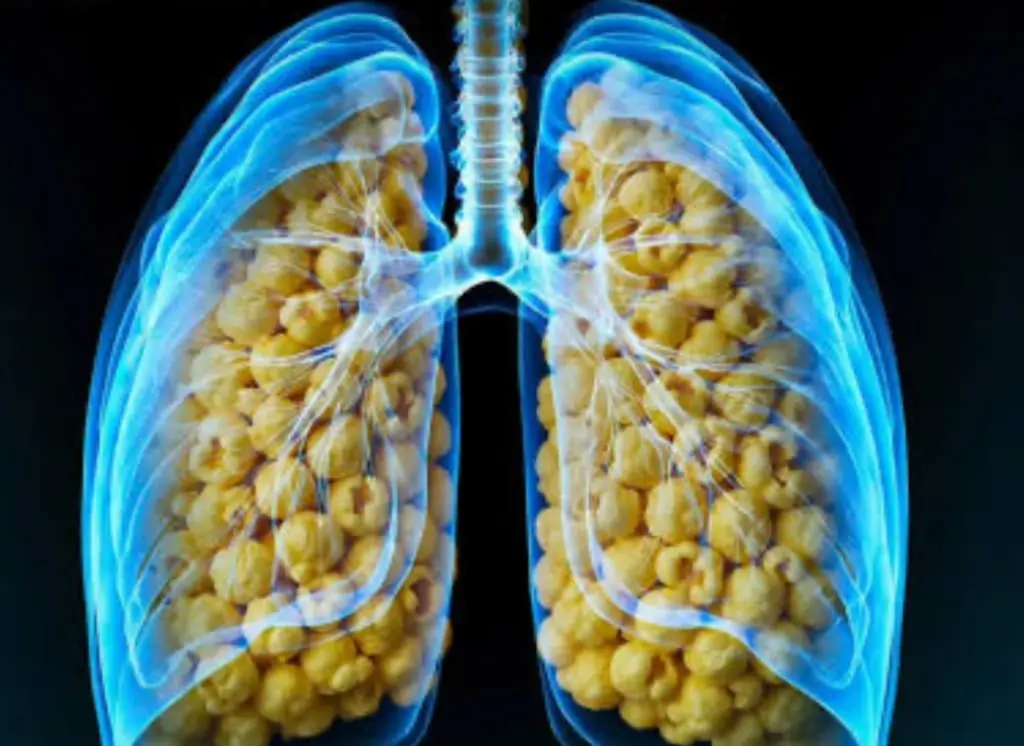
Popcorn lung is the common name for bronchiolitis obliterans, a rare, serious, and irreversible lung disease. It involves inflammation and permanent scarring of the bronchioles, the smallest airways in the lungs. Once scarred, these airways cannot be repaired. The result is progressive loss of lung function, persistent dry cough, and increasing shortness of breath.

The nickname came from a 2000 investigation at a microwave popcorn factory in Missouri, where workers developed the condition after prolonged exposure to heavily concentrated diacetyl fumes during heated industrial mixing processes, breathing high levels for hours every working day, over years.

The Diacetyl Problem in E-Liquid

Diacetyl is a naturally occurring compound found in butter, beer, coffee, and fermented foods. It is perfectly safe to eat. The problem arises specifically with inhalation, and it became relevant to vaping when researchers found it present in e-liquid formulas, particularly in dessert, custard, and cream flavored products.

A widely cited Harvard study found diacetyl in 39 out of 51 tested e-liquid flavors. This understandably raised alarm, and the industry response was swift. Most reputable manufacturers moved to remove diacetyl from their formulations, and it is now strictly banned in e-liquids across the UK and European Union.

For Indonesian producers asking whether they should be concerned about diacetyl: yes, eliminating it from your formulations is the right call. The regulatory direction globally is clear, and consumer awareness of the issue is growing. The more important question, however, is what you replace it with and how you verify that the replacement is actually doing its job safely.

Where the Science Gets More Complicated

The connection between vaping and actual diagnosed cases of popcorn lung is weaker than most headlines suggest. It is important to be accurate about this, not to dismiss the concern, but to understand it properly.

Diacetyl is also present in traditional cigarette smoke at levels estimated to be hundreds of times higher than those found in e-cigarette aerosol. Yet bronchiolitis obliterans has never emerged as a recognized smoking-related disease despite decades of cigarette use by hundreds of millions of people. This dose-response disparity is significant and has been noted repeatedly by clinical researchers.

Furthermore, medical literature has not produced confirmed clinical cases of bronchiolitis obliterans definitively and solely linked to e-cigarette use. Cases of severe acute bronchiolitis have been reported in vapers, but researchers note these represent a distinct injury pattern compared to the classic occupational form seen in factory workers.

This does not mean vaping carries no respiratory risk. It means the specific claim that vaping inevitably causes popcorn lung is not supported by confirmed clinical evidence at the concentration levels found in regulated consumer products. Responsible producers should understand this distinction clearly.

The Replacement Challenge And Why It Requires Careful Management

This is where many producers, including some very well-intentioned ones, run into difficulty.

The most obvious substitute for diacetyl in creamy and custard profiles is acetoin. Unlike diacetyl and its close chemical cousin 2,3-pentanedione, acetoin does not share the same reactive alpha-dicarbonyl structure that causes airway damage. This makes it a genuinely more favorable starting point for reformulation, and health bodies including NIOSH have noted it as less hazardous than the diketones it replaces.

However, acetoin comes with one important caveat that producers must understand: it is chemically unstable in e-liquid over time. Research has shown that acetoin can slowly oxidize during storage and convert into diacetyl, particularly in the presence of nicotine and in slightly alkaline conditions. This means a formula that is correctly diacetyl-free on the day it is made may not remain diacetyl-free after months of storage on a shelf or in a consumer’s hands.

This is not a reason to abandon acetoin-based formulations. It is a reason to manage them properly. The difference between a safe acetoin-based product and a problematic one comes down entirely to one thing: testing.

Why Testing Is the Real Answer

A producer who eliminates diacetyl, replaces it with acetoin, and then puts the product on a shelf without further verification has only solved half the problem. A producer who does the same thing and then tests finished batches across the expected shelf life of the product has genuinely solved it.

This is where GC-MS testing becomes the most important tool available to any serious e-liquid producer. Gas chromatography–mass spectrometry breaks a liquid down into its individual molecular components with extraordinary precision. It can detect diacetyl at trace levels that no other affordable method can identify. It can confirm that an acetoin-based formula is performing as intended, and flag if oxidation has begun producing diacetyl during storage.

For Indonesian producers, access to this level of testing has historically been a significant barrier. The equipment alone costs between 100 million and 500 million rupiah, requires trained specialist staff, and demands validated testing methodologies to produce results that mean anything. Most producers in this market have had no practical way to verify what is actually in their finished products at a molecular level.

What This Means for Your Business

The producers who will build lasting credibility in this market with consumers, with international buyers, and with regulators as oversight in Indonesia inevitably develops are those who can demonstrate not just that they intend to make safe products, but that they can prove it batch by batch.

Reformulating away from diacetyl is the right first step. Using acetoin-based systems as part of a thoughtfully developed creamy flavor profile is a scientifically sound approach. But pairing that formulation work with verified GC-MS testing transforms a good intention into a documented safety commitment.

For consumers, this means genuine protection rather than assumed safety. For producers, it means the ability to stand behind your product.

The Bottom Line

Popcorn lung is a real disease caused by prolonged inhalation of diacetyl at high concentrations. The evidence that regulated e-liquid products at consumer exposure levels directly cause this disease remains unconfirmed. But the precautionary case for removing diacetyl from formulations is strong, the regulatory trend globally is unambiguous, and the reputational risk of being associated with the issue is real regardless of where the science ultimately lands.

The answer for Indonesian producers is not to panic about popcorn lung, and not to ignore it either. It is to take a methodical approach: reformulate thoughtfully using safer chemical pathways, understand the stability limitations of those replacements, and verify your work with proper analytical testing.


Ready to Enter Indonesia?

Arkadia acts as your local importer and sales counterparty, removing every barrier between your product and Indonesian buyers.

Partner With Us

Popcorn Lung and Vaping: What the Science Actually Says

Petr

Popcorn Lung and Vaping: What Indonesian Producers Need to Know

Few health claims in the vaping world get repeated as often as this one: vaping causes popcorn lung. It shows up in news headlines, health warnings, and social media posts with remarkable confidence. The reality, as with most things in science, is considerably more nuanced and understanding that nuance is essential for anyone producing or formulating e-liquids responsibly.

What Is Popcorn Lung?

Popcorn lung is the common name for bronchiolitis obliterans, a rare, serious, and irreversible lung disease. It involves inflammation and permanent scarring of the bronchioles, the smallest airways in the lungs. Once scarred, these airways cannot be repaired. The result is progressive loss of lung function, persistent dry cough, and increasing shortness of breath.

The nickname came from a 2000 investigation at a microwave popcorn factory in Missouri, where workers developed the condition after prolonged exposure to heavily concentrated diacetyl fumes during heated industrial mixing processes, breathing high levels for hours every working day, over years.

The Diacetyl Problem in E-Liquid

Diacetyl is a naturally occurring compound found in butter, beer, coffee, and fermented foods. It is perfectly safe to eat. The problem arises specifically with inhalation, and it became relevant to vaping when researchers found it present in e-liquid formulas, particularly in dessert, custard, and cream flavored products.

A widely cited Harvard study found diacetyl in 39 out of 51 tested e-liquid flavors. This understandably raised alarm, and the industry response was swift. Most reputable manufacturers moved to remove diacetyl from their formulations, and it is now strictly banned in e-liquids across the UK and European Union.

For Indonesian producers asking whether they should be concerned about diacetyl: yes, eliminating it from your formulations is the right call. The regulatory direction globally is clear, and consumer awareness of the issue is growing. The more important question, however, is what you replace it with and how you verify that the replacement is actually doing its job safely.

Where the Science Gets More Complicated

The connection between vaping and actual diagnosed cases of popcorn lung is weaker than most headlines suggest. It is important to be accurate about this, not to dismiss the concern, but to understand it properly.

Diacetyl is also present in traditional cigarette smoke at levels estimated to be hundreds of times higher than those found in e-cigarette aerosol. Yet bronchiolitis obliterans has never emerged as a recognized smoking-related disease despite decades of cigarette use by hundreds of millions of people. This dose-response disparity is significant and has been noted repeatedly by clinical researchers.

Furthermore, medical literature has not produced confirmed clinical cases of bronchiolitis obliterans definitively and solely linked to e-cigarette use. Cases of severe acute bronchiolitis have been reported in vapers, but researchers note these represent a distinct injury pattern compared to the classic occupational form seen in factory workers.

This does not mean vaping carries no respiratory risk. It means the specific claim that vaping inevitably causes popcorn lung is not supported by confirmed clinical evidence at the concentration levels found in regulated consumer products. Responsible producers should understand this distinction clearly.

The Replacement Challenge And Why It Requires Careful Management

This is where many producers, including some very well-intentioned ones, run into difficulty.

The most obvious substitute for diacetyl in creamy and custard profiles is acetoin. Unlike diacetyl and its close chemical cousin 2,3-pentanedione, acetoin does not share the same reactive alpha-dicarbonyl structure that causes airway damage. This makes it a genuinely more favorable starting point for reformulation, and health bodies including NIOSH have noted it as less hazardous than the diketones it replaces.

However, acetoin comes with one important caveat that producers must understand: it is chemically unstable in e-liquid over time. Research has shown that acetoin can slowly oxidize during storage and convert into diacetyl, particularly in the presence of nicotine and in slightly alkaline conditions. This means a formula that is correctly diacetyl-free on the day it is made may not remain diacetyl-free after months of storage on a shelf or in a consumer’s hands.

This is not a reason to abandon acetoin-based formulations. It is a reason to manage them properly. The difference between a safe acetoin-based product and a problematic one comes down entirely to one thing: testing.

Why Testing Is the Real Answer

A producer who eliminates diacetyl, replaces it with acetoin, and then puts the product on a shelf without further verification has only solved half the problem. A producer who does the same thing and then tests finished batches across the expected shelf life of the product has genuinely solved it.

This is where GC-MS testing becomes the most important tool available to any serious e-liquid producer. Gas chromatography–mass spectrometry breaks a liquid down into its individual molecular components with extraordinary precision. It can detect diacetyl at trace levels that no other affordable method can identify. It can confirm that an acetoin-based formula is performing as intended, and flag if oxidation has begun producing diacetyl during storage.

For Indonesian producers, access to this level of testing has historically been a significant barrier. The equipment alone costs between 100 million and 500 million rupiah, requires trained specialist staff, and demands validated testing methodologies to produce results that mean anything. Most producers in this market have had no practical way to verify what is actually in their finished products at a molecular level.

What This Means for Your Business

The producers who will build lasting credibility in this market with consumers, with international buyers, and with regulators as oversight in Indonesia inevitably develops are those who can demonstrate not just that they intend to make safe products, but that they can prove it batch by batch.

Reformulating away from diacetyl is the right first step. Using acetoin-based systems as part of a thoughtfully developed creamy flavor profile is a scientifically sound approach. But pairing that formulation work with verified GC-MS testing transforms a good intention into a documented safety commitment.

For consumers, this means genuine protection rather than assumed safety. For producers, it means the ability to stand behind your product.

The Bottom Line

Popcorn lung is a real disease caused by prolonged inhalation of diacetyl at high concentrations. The evidence that regulated e-liquid products at consumer exposure levels directly cause this disease remains unconfirmed. But the precautionary case for removing diacetyl from formulations is strong, the regulatory trend globally is unambiguous, and the reputational risk of being associated with the issue is real regardless of where the science ultimately lands.

The answer for Indonesian producers is not to panic about popcorn lung, and not to ignore it either. It is to take a methodical approach: reformulate thoughtfully using safer chemical pathways, understand the stability limitations of those replacements, and verify your work with proper analytical testing.
Ready to Enter Indonesia?

Arkadia acts as your local importer and sales counterparty, removing every barrier between your product and Indonesian buyers.

Partner With Us
  • Bahasa Indonesia